Otter Alongside · Stage 3 of 6
Living with it
Once care is running properly you shouldn't have to think about it much. This is how to keep it that way — and how to change it when it stops fitting.
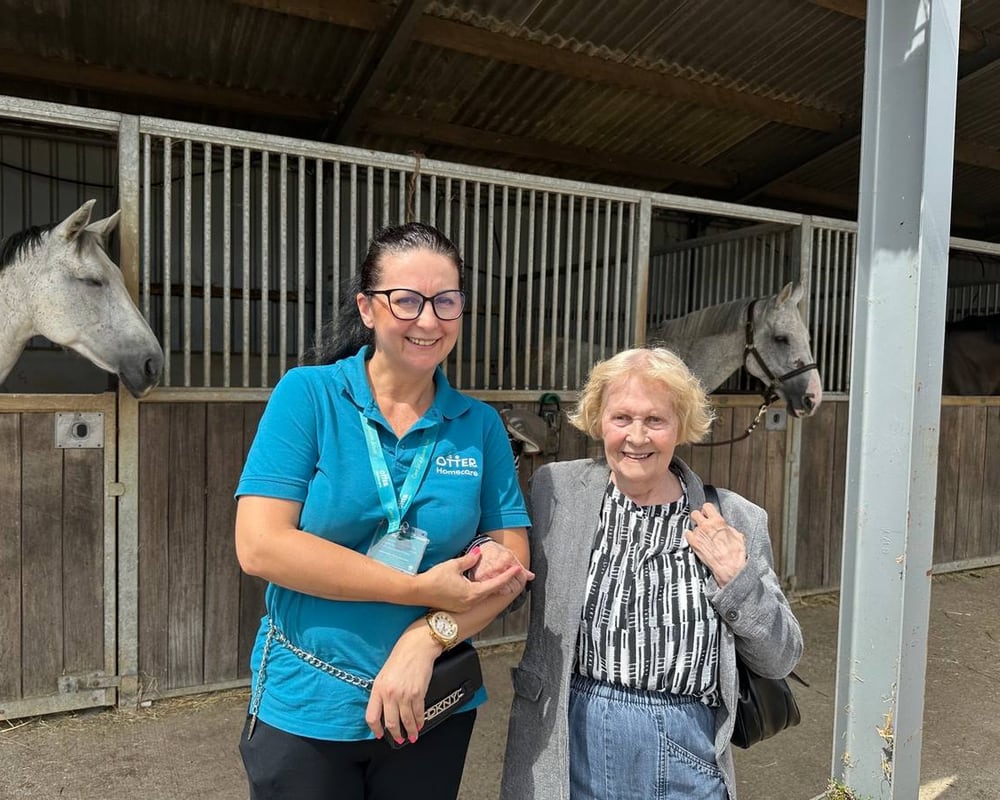
Good care should feel like less to think about.
This is the longest stage, and with any luck the quietest.
Care that's working shouldn't need managing. But nothing stays the same for long, so the useful thing to know is how to change it — and how little fuss that takes.

Changing a visit time, asking a question, telling us something isn't right — all the same number. 8:30am – 5pm, on-call outside those hours.
Care reviews
A review is a proper sit-down about whether the care still fits — not a form-filling exercise, though there is a form. We'll arrange them, and you're welcome at any of them.
What's genuinely worth doing beforehand is thinking about the small irritations. The things nobody mentions because they don't feel big enough are usually exactly what a review is for.

Visit times that don't suit any more. Tasks that get rushed. Something in the plan that's been overtaken. A time of day that's got harder.

What's working. Which Care Professionals your relative particularly gets on with — we use that when we build the rota, and it's the sort of thing families assume we already know.
You don't have to wait for a review. If something needs changing in March, ring us in March.
Changing the plan
The care plan isn't fixed and changing it isn't a big deal. Most changes are a phone call: a different time, an extra visit, a task added or dropped, a week's break while family are staying.
Two things make it go smoothly. Tell us as early as you can — the rota is built ahead, so more notice means more chance of keeping the same faces. And tell us the problem, not just the fix you've thought of; there's often an easier answer once we know what's actually going wrong.
Cancelling visits, pausing care and ending care all have notice periods, and they're set out in your Service Agreement rather than here — that document is the one that counts. If you're not sure what applies, ring and ask. We'd much rather tell you than have you guess.
Telling us something
Early and small is much easier to put right than late and large. Almost everything families hesitate over turns out to be a five-minute fix, and the hesitating is the expensive part.
A complaint is a gift. We mean that fairly literally — it's the only way we find out.
You will not cause trouble, and it will never affect the care your relative receives. If something is serious we'll come and see you in person, including at a weekend. And we'll close the loop by telling you what changed as a result, which is the bit most people never get.
If you'd rather not raise it with the person who visits, ring the office and ask for the Registered Manager. That's a normal thing to ask for.
What to keep us posted on
None of these are urgent on their own. Together they're most of the reason a visit occasionally goes wrong.
- Medication changes. Anything the GP or hospital has started, stopped or altered — even if it seems minor.
- Hospital or GP appointments, especially if they clash with a visit.
- Key safe codes and door locks. If the code changes and we don't know, we're stood outside.
- Who to contact, if a phone number changes or someone else takes over the day-to-day.
- Holidays — theirs or yours. Tell us early and we'll work round it.
- Anything that's frightened them. A fall, a scam call, a bad night. We may not hear about it otherwise.
What else we can do
Families often don't realise how much sits outside "personal care". If it would make the week easier and it's legal and safe, ask — the answer is usually yes.
- Meal preparation, shopping, and collecting prescriptions.
- Light housekeeping, laundry and getting on top of paperwork.
- Getting to appointments, or just getting out for a bit.
- Company — a walk, a cup of tea, a hand with a hobby that's got harder.
- Help with a phone or tablet, so video calls with family actually happen.
- Gardening and pet care. Both keep people at home longer than you'd think.
There's also Otter Café — free, and open to families as well as clients. Some people come for the company, some for the cake.
Mention it. The small things are exactly what we'd rather hear about early.